
Private clinics: answer every enquiry without a bigger front desk
17 August 2026 · 8 min read
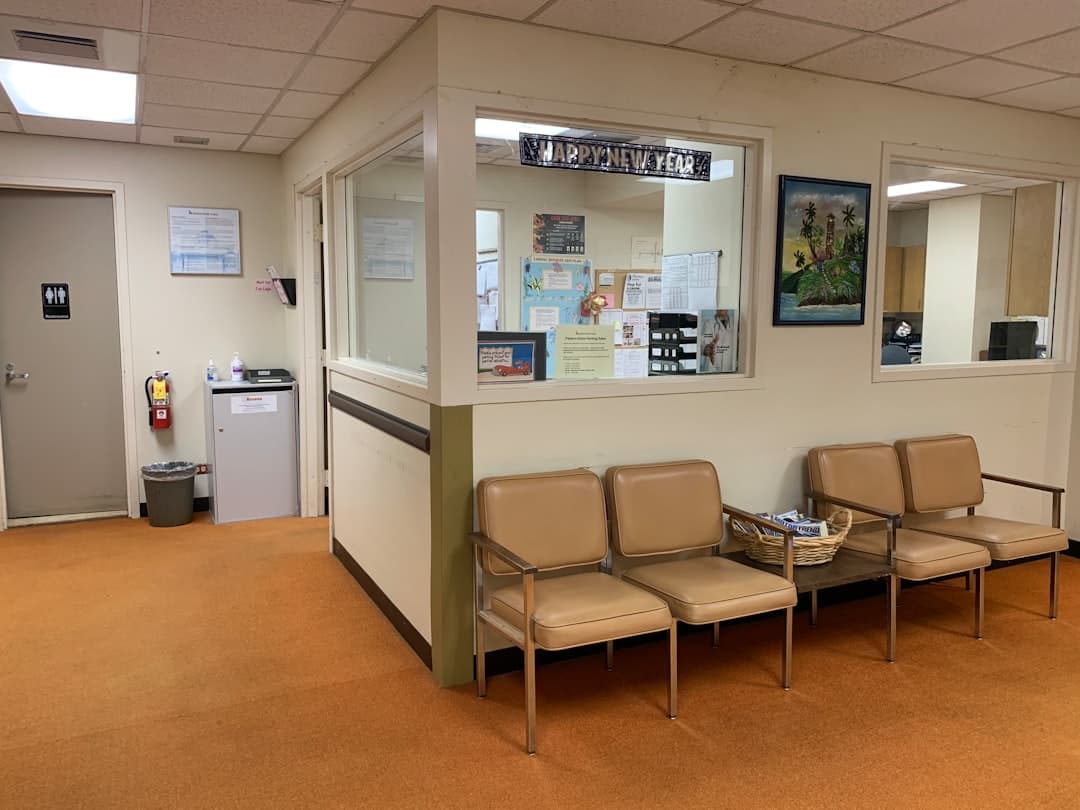
A private clinic's phone rings hardest at exactly the times reception can't reach it: the lunch hour, the ten minutes after 5pm, and the whole time your receptionist is settling a patient in room two. This post does the honest arithmetic on one recovered new patient a month, explains how a clinic call answering service handles bookings without letting an AI go rogue in your diary, and is blunt about the two situations where it isn't the right tool.
Where clinic enquiries actually leak
Most clinics don't have a call-answering problem in the abstract. They have four specific gaps, and they're predictable enough that you can put times to them.
- Lunch, 12:30–14:00. Reception is on a break or covering a treatment room. This is also when employed patients ring, because it's their break too.
- After 5pm and before 9am. The person who wanted to ask about Invisalign, a sports-injury assessment or a consultation for filler has finished work and finally has ten minutes.
- Mid-appointment. Your receptionist is checking someone in, taking a card payment or on the phone to a lab. The second caller gets voicemail.
- Saturdays. Aesthetics and physio in particular get weekend enquiries. If the line is dead until Monday, so is the enquiry.
The uncomfortable part is that a new-patient enquiry is the least patient caller you have. An existing patient rescheduling a hygiene appointment will ring back. Someone comparing three physio clinics on Google will not — they'll simply try the next result while the tab is still open.
The arithmetic on one recovered patient a month
Clinics have an advantage over most small businesses here: your average patient is worth far more than one appointment. So the maths gets convincing very fast. Use your own numbers, not mine — but here are three realistic shapes.
| Clinic type | First appointment | Typical course / follow-on | Rough first-year value |
|---|---|---|---|
| Physio | £55 initial assessment | 5 further sessions at £50 | £305 |
| Private dental | £90 new-patient exam | Hygiene twice a year plus one restoration | £400–£900 |
| Aesthetics | £250 treatment | Two repeat treatments in the year | £750 |
Do the maths on your own clinic
Take your average first-year patient value — say £400 for a private dental practice. Now assume the phone system recovers one enquiry a month that currently goes to voicemail and never rings back. That's £4,800 a year of treatment you were already generating demand for.
RedAgents plans start at £29/mo (100 call minutes, then £0.25/minute), with Growth at £69/mo for 300 minutes and Scale at £115/mo for 600. At Growth, the annual cost is £828. One recovered patient a month at £400 covers that roughly six times over.
Now be sceptical about it. Halve the recovery rate — one patient every two months instead. That's £2,400 against £828. Still comfortably worth it. The point isn't the multiplier, it's that clinic economics mean you don't need many recoveries for the sums to work. Full pricing detail is in what you'll actually pay.
Compare that with the alternative fix: more front-desk hours. A part-time receptionist covering lunch and two evenings a week is real money every month, on a rota, with holiday cover to arrange. The AI doesn't replace your receptionist — she's still the person patients see when they walk in. It covers the hours and the overlaps she physically can't.
How the calls get handled
The setup that matters for a clinic is that you keep your existing number. One dial code forwards only the calls you miss. Your printed appointment cards, your Google listing, the number on the practice window — nothing changes. When reception picks up, it's business as usual. When nobody picks up, the AI answers instead of voicemail.
On the call itself, it answers in your clinic's name and takes the enquiry: who's calling, what they want, when they'd like to come in. It can offer an appointment and it can take a message. Every call is recorded and transcribed, and you get a WhatsApp update after each one — which, in practice, means your practice manager reads a summary of the 8:15pm enquiry over morning coffee rather than working through six voicemails.
There's a step-by-step walkthrough of the caller's experience in what actually happens when an AI receptionist answers if you want the detail.
The approval step is the bit clinics care about
Understandably, nobody running a clinic wants software making commitments to patients unsupervised. So it doesn't. Bookings and quotes wait in your inbox for a human yes. Nothing reaches a patient without your approval — you can approve, edit or reject.
What that looks like in a clinic: the AI takes a 9:40pm call from someone wanting a physio assessment this week and proposes Thursday at 2pm at your standard rate. That sits as an approval. Your practice manager opens it at 8:45am, checks the therapist's actual diary, and either approves it or edits the time to Thursday at 3pm and approves that. The patient hears back within the first hour of the working day, from a real decision your team made.
That matters more in a clinic than in most trades. Room availability, clinician specialism, whether a new patient needs a longer slot, whether a treatment needs a consultation first — these are judgement calls. The approval flow keeps the judgement with your staff and hands the AI the boring part: being awake at 9:40pm and writing everything down. The same pattern applied to trades quotes is covered in approve quotes from the van.
Tone: it answers as your clinic
It doesn't announce itself as an answering service or read out a script that belongs to somebody else's business. It answers in your clinic's name, professionally. The set-up takes your website as the source — so it already knows what treatments you offer and how you describe them, rather than reading a generic list a call centre agent was handed that morning.
What it does not do — and this is important
Be very clear with your team about the boundary here, because patients will test it.
- No clinical advice. It will not tell a caller whether their symptom is serious, whether they should take painkillers, or what their pain probably is. Ever.
- No triage. It does not rank urgency or decide who needs to be seen today. If a caller describes something worrying, it takes the message and flags it to you — the clinical decision is yours.
- No prescriptions, no results, no diagnosis discussion. It isn't a clinician and doesn't pretend to be.
- No unilateral diary changes. Bookings wait for approval, as above.
What it does do is narrow: take messages accurately, capture new-patient enquiries with enough detail to act on, and propose appointments for a human to confirm. If a caller has a genuine medical emergency, your existing outgoing message and clinical protocols still need to point them to 999 or NHS 111 — the AI is not a safety net for urgent care and shouldn't be treated as one.
Where this isn't the right fit
Two situations where I'd tell you not to bother.
NHS practices with regulated telephony requirements. If you're an NHS GP practice or dental contract holder, your telephony is likely governed by contractual and commissioning requirements — cloud-based telephony standards, call-queue reporting, recording retention rules, patient-access obligations. Bolting a third-party answerer onto that is not a decision to make from a blog post. Talk to your commissioner and your IG lead first. Private-only clinics have far more freedom here; mixed NHS/private practices should keep the two lines genuinely separate or leave it alone.
Clinics where the phone is genuinely covered. If you have two receptionists, one always at the desk, and a proper overflow rota, your leak isn't inbound calls. It might be follow-up on unconverted enquiries, or online booking friction. Fix the actual bottleneck.
I'd also add: if your problem is complex, multi-clinician scheduling with strict room dependencies and pre-treatment requirements, expect to edit more approvals than you approve outright at first. That's still faster than a voicemail nobody returns, but it isn't hands-off. Go in expecting to review.
How it compares with the alternatives
| Option | Cover | Patient experience | Monthly cost shape |
|---|---|---|---|
| Voicemail | 24/7 in theory | Most new enquiries hang up | Free, and it shows |
| Traditional answering service | Staffed hours, often per-call | Human, but reading a short brief about your clinic | Per-call or per-minute, varies |
| Extra front-desk hours | Only the hours you pay for | Best — knows the patients | Wages plus cover and holidays |
| AI receptionist | Day and night, including lunch | Answers as your clinic, bookings confirmed by your team | £29–£115/mo plus £0.25/min overage |
The honest reading of that table is that extra staff hours give the best patient experience and the AI gives the best coverage per pound. Most clinics need both: a receptionist for the hours patients are in the building, and something that answers the 7pm enquiry. There's a fuller comparison, including the trade-offs, in AI receptionist vs answering service vs voicemail.
A sensible way to test it
- Start with the 7-day free trial — 30 call minutes, no card. Set-up needs your website and takes about a minute.
- Forward only your missed calls using the dial code. Keep your number and change nothing patient-facing.
- For the first week, route every approval to your practice manager and have her check each proposed booking against the diary before approving. You're auditing the AI's judgement, not trusting it yet.
- Read the transcripts of after-hours calls specifically. That's where you'll see whether the enquiries you were losing are worth what you assumed.
- After a fortnight, count the new-patient enquiries that came in outside staffed hours. Multiply by your first-year patient value. That number tells you whether to keep it, not the marketing.
If two weeks of transcripts show three or four after-hours enquiries you'd otherwise never have heard about, you already have your answer. If it shows nothing, your phone was never the leak — and you've learned that for the cost of a trial.
Never miss another job
RedAgents answers every call 24/7 in your business's name — books jobs, sends quotes, and texts you after every call. Live in about 60 seconds.
See the AI receptionist →